
KHULANORA · FIBRE TO GARMENT

From the spring comb to the finished layer

Cashmere is not a single moment or a marketing shortcut. It is a chain of seasonal work, material decisions and careful finishing. Follow the route from the goat’s undercoat to the piece you care for at home.

Continue to the care guide ↗
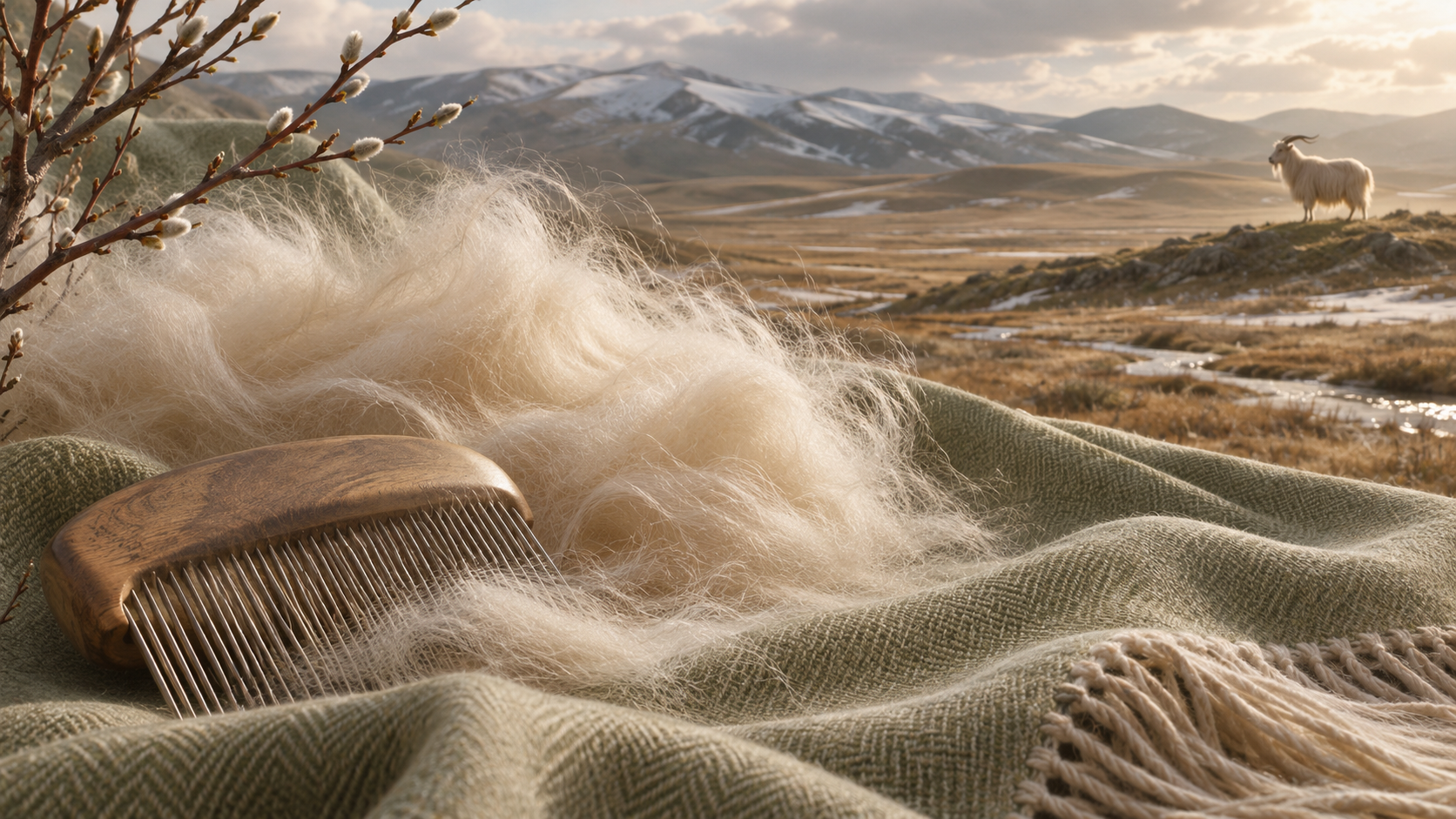
Editorial view of a cashmere goat context, spring fibre and comb on the Mongolian steppeOriginal KHULANORA generated editorial illustration · atmosphere only
01A coat built for the steppe02The spring comb03Sorting by colour and quality04Cleaning and classification05Spinning the yarn06Knitting, weaving and shaping07Finishing and inspection08The route continues at home
Editorial view of a cashmere goat context, spring fibre and comb on the Mongolian steppeOriginal KHULANORA generated editorial illustration · atmosphere only

01 / KHULANORA · FIBRE TO GARMENT

A coat built for the steppe

In Mongolia’s dry continental climate, goats grow a fine undercoat beneath a protective outer coat.

The undercoat is the material people later call cashmere. Its growth responds to seasonal cold, daylight and the animal’s environment. Before any fibre is collected, the story begins with climate and animal care.

What can you check?Look for a product page that names the composition only when the SKU record has approved support.
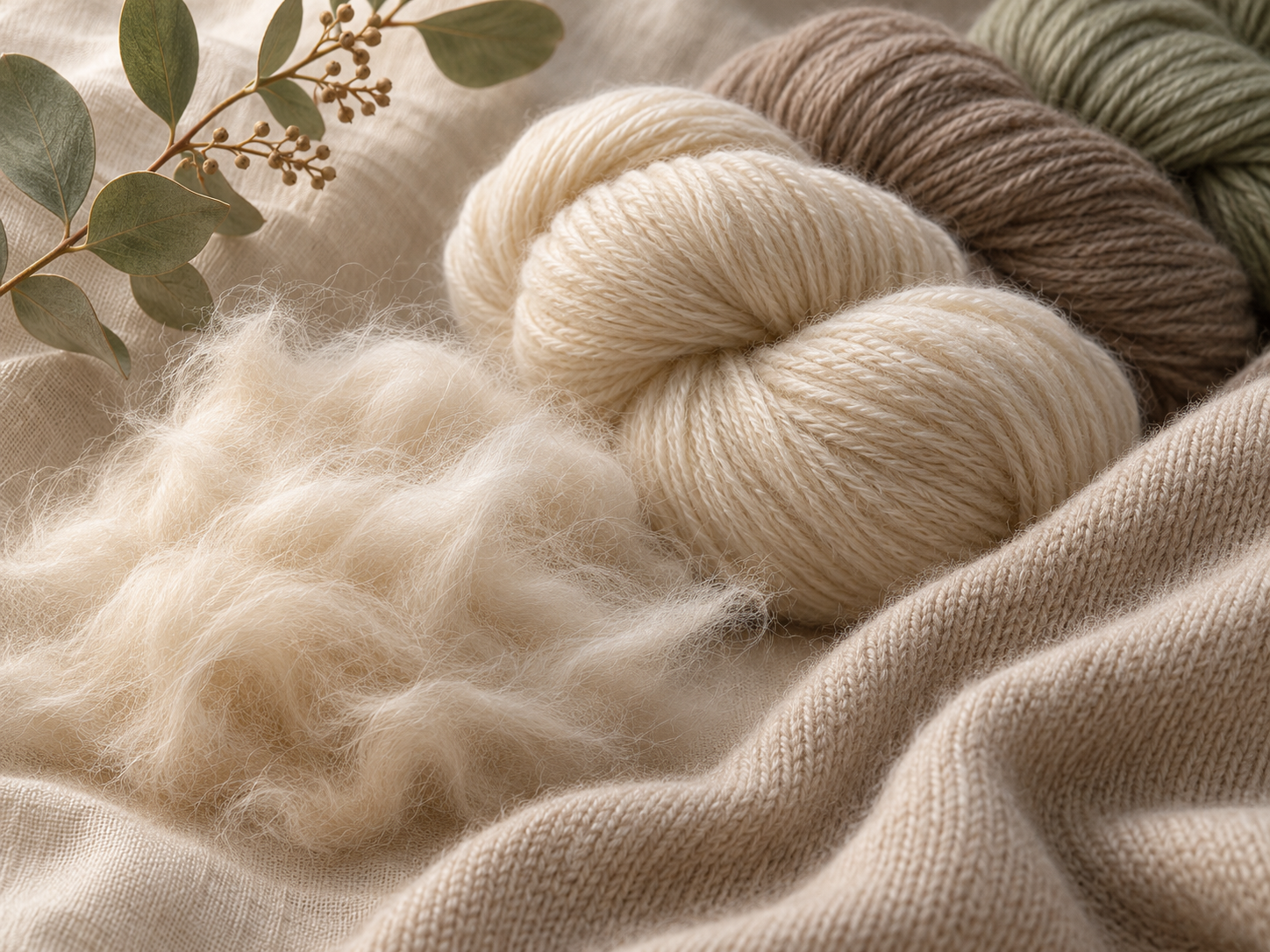
Fine cashmere fibre and yarn texture under soft documentary lightOriginal KHULANORA fibre macro illustration · material education
02 / KHULANORA · FIBRE TO GARMENT

The spring comb

When the undercoat loosens, a hand comb lifts the fine fibre while leaving the coarser outer hair behind.

Timing matters. The combing window is seasonal, and the first separation is physical rather than cosmetic. A careful pass protects the fibre length and keeps the raw material distinct from the guard hair.

What can you check?Ask for the collection or lot reference when a product makes a specific origin or fibre claim.
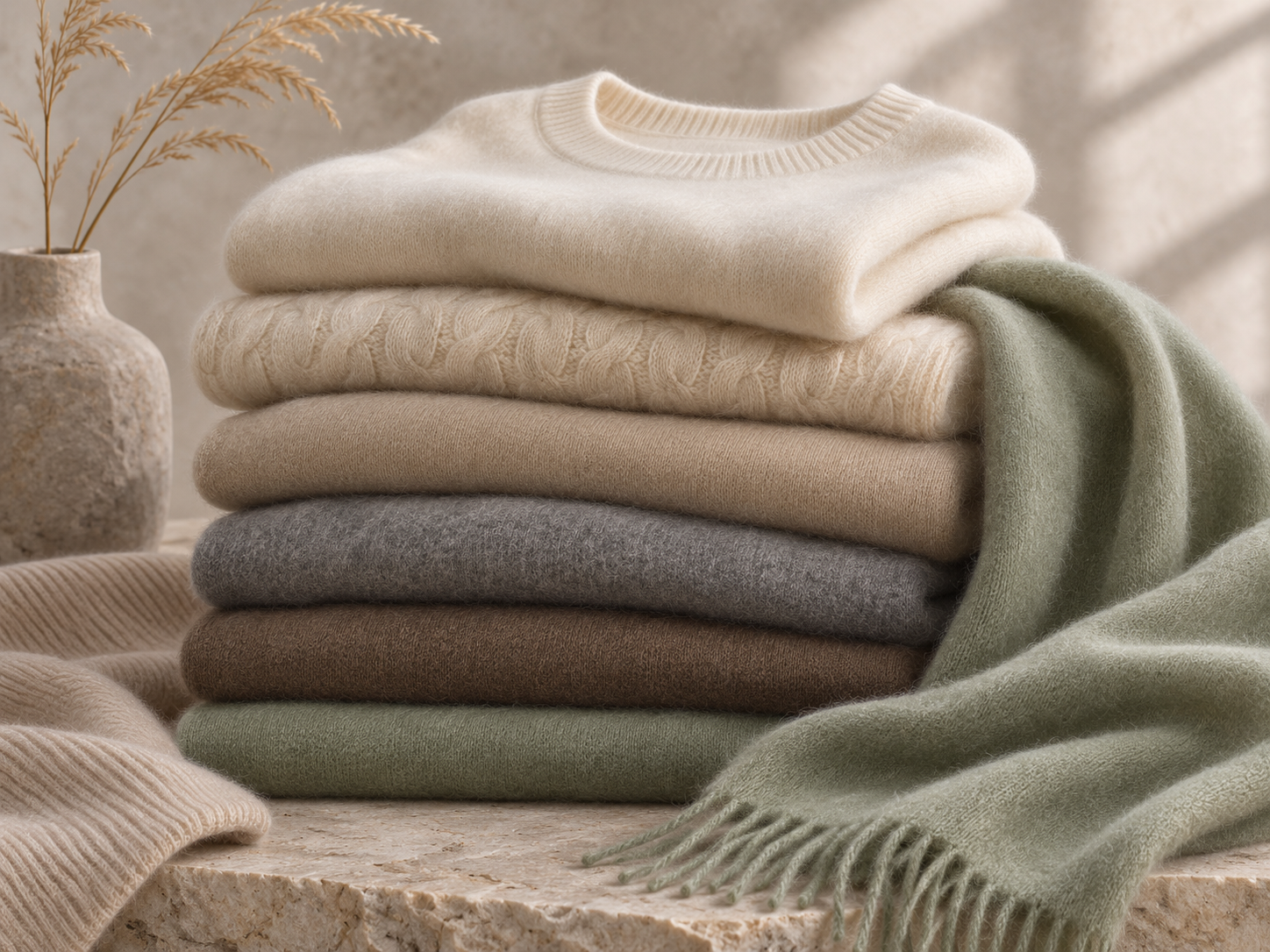
Ivory, beige, warm grey and taupe cashmere arranged in a studio still lifeOriginal KHULANORA natural colour still life · editorial illustration
03 / KHULANORA · FIBRE TO GARMENT

Sorting by colour and quality

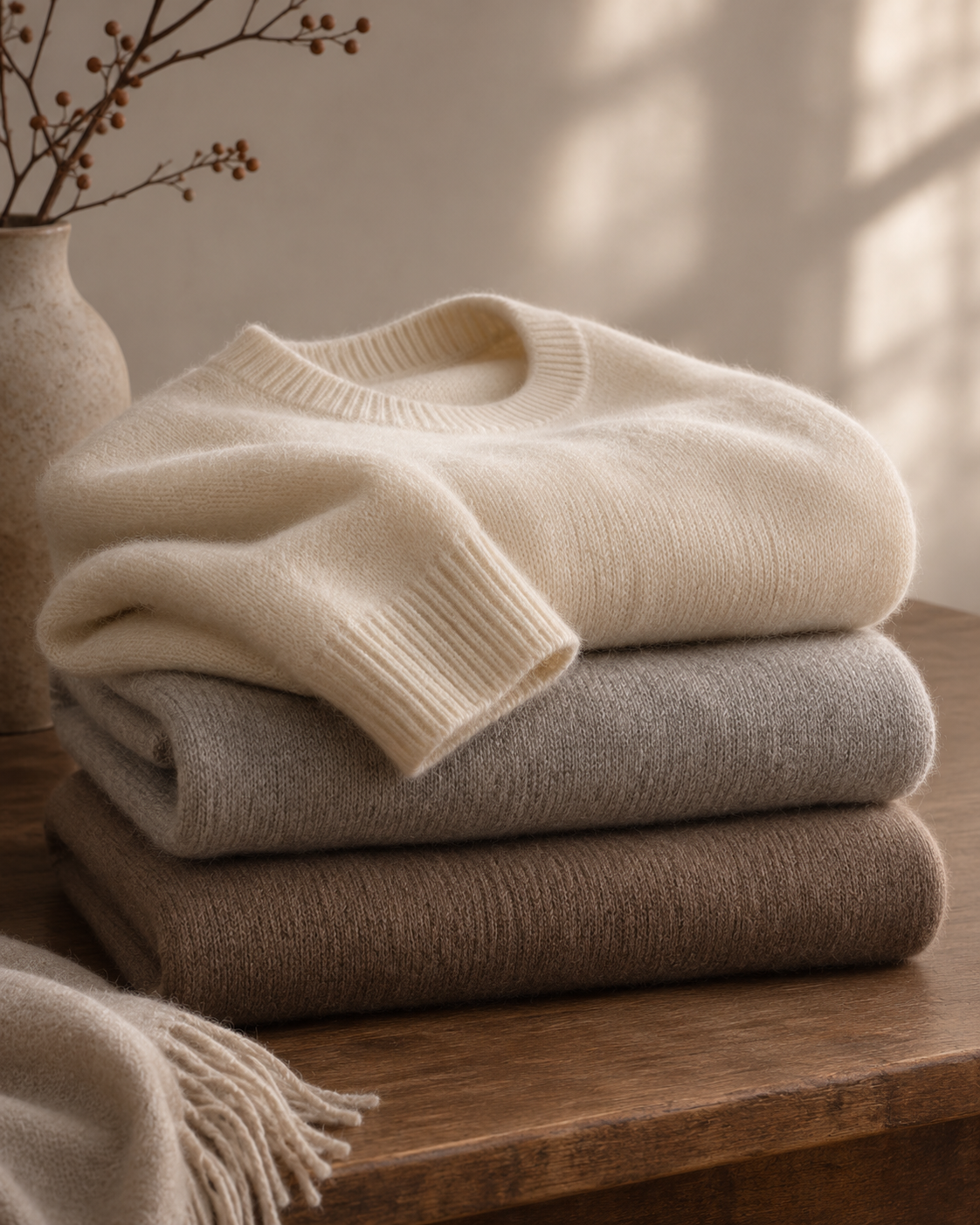
Loose fibre is sorted by natural shade, length and fineness before a yarn plan is chosen.

Ivory, beige, warm grey and taupe can begin as naturally occurring shades. Sorting also removes coarse or unsuitable fibre. The result influences handle, strength, colour depth and how the finished surface catches light.

What can you check?Compare the colour name, composition and care information shown on the SKU page; do not infer a grade from colour alone.
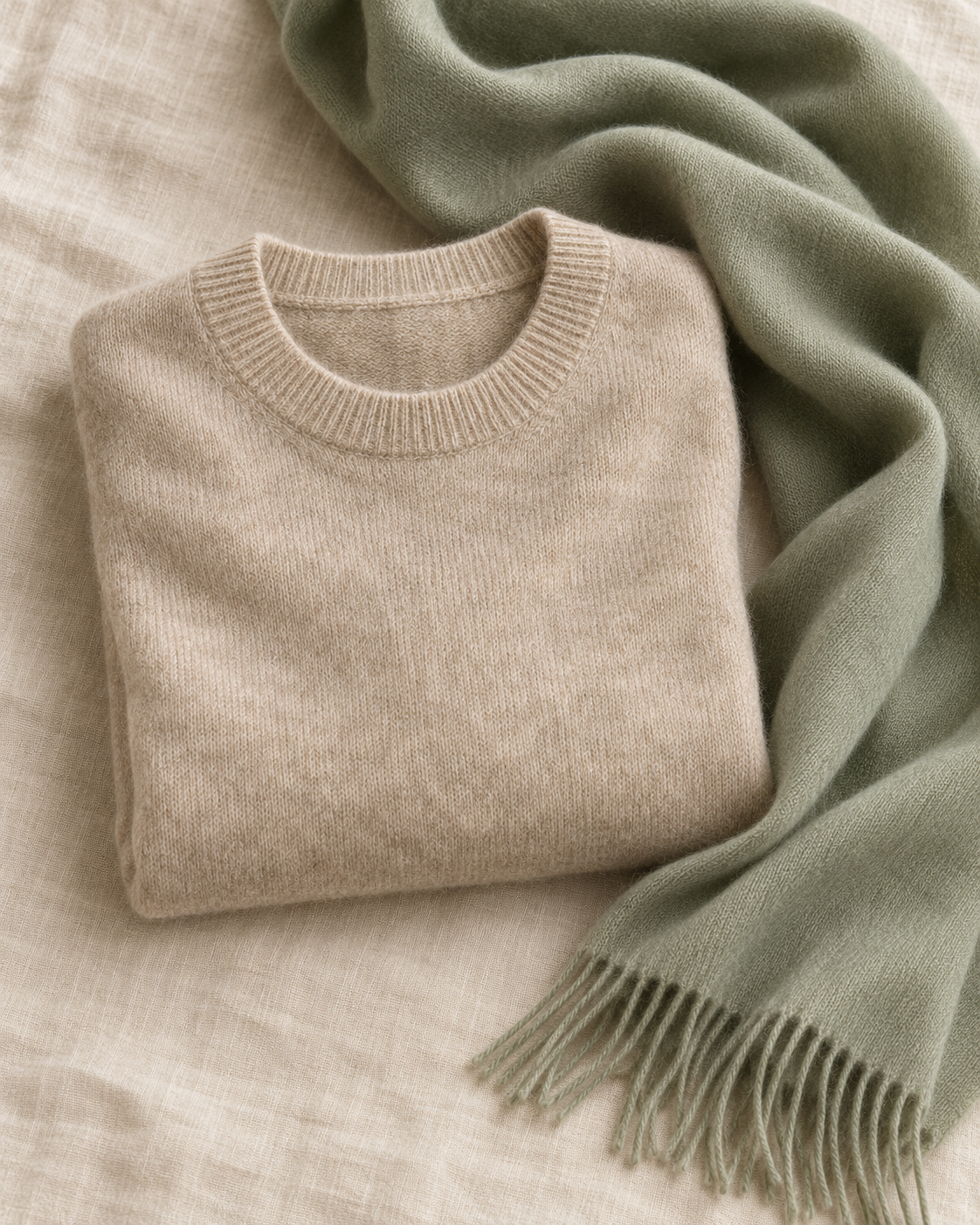
Natural cashmere layers prepared for inspection and classificationOriginal KHULANORA editorial product study · process illustration
04 / KHULANORA · FIBRE TO GARMENT

Cleaning and classification

Washing removes dust and natural residue; classification records what the fibre can responsibly become.

A clean fibre can be assessed more consistently. Micron, fibre length and yield may be recorded when a verified test exists. KHULANORA keeps those numbers behind an approval gate instead of turning an illustrative range into a product promise.

What can you check?A verified micron or origin claim should have a visible evidence reference in the product record.
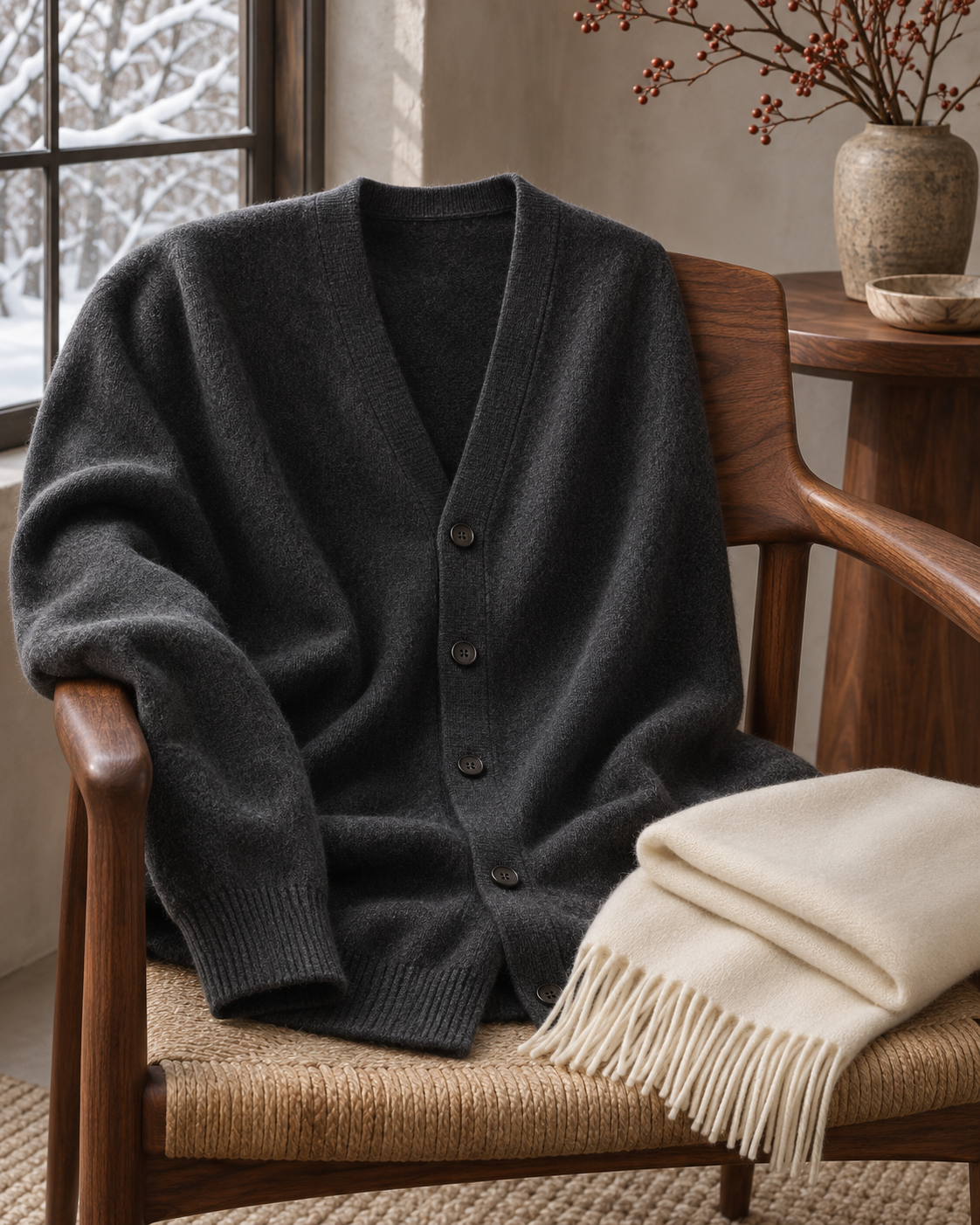
Folded natural tone knitwear showing different yarn structuresOriginal KHULANORA editorial knitwear study · construction illustration
05 / KHULANORA · FIBRE TO GARMENT

Spinning the yarn

Fibre is aligned and twisted into yarn; ply and gauge become practical choices rather than abstract terms.

Twist, ply and yarn size affect drape, warmth, recovery and surface definition. A lighter yarn can make a breathable layer; a denser structure can create a more protective hand. There is no single “best” construction for every use.

What can you check?Look for construction, weight and fit notes together; one number cannot describe the whole wearing experience.
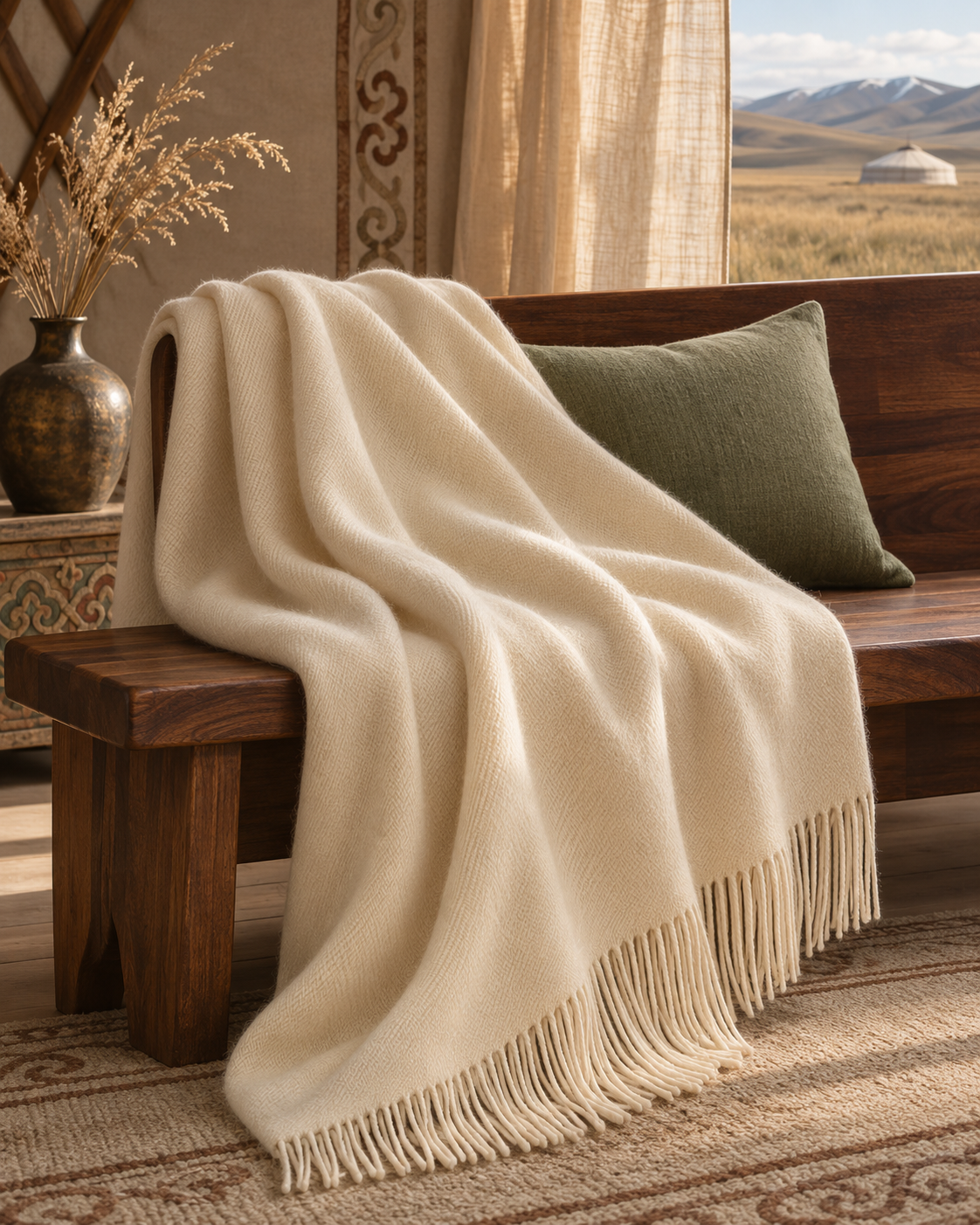
Finished cashmere cardigan and throw in a warm interiorOriginal KHULANORA editorial construction image · not factory documentation
06 / KHULANORA · FIBRE TO GARMENT

Knitting, weaving and shaping

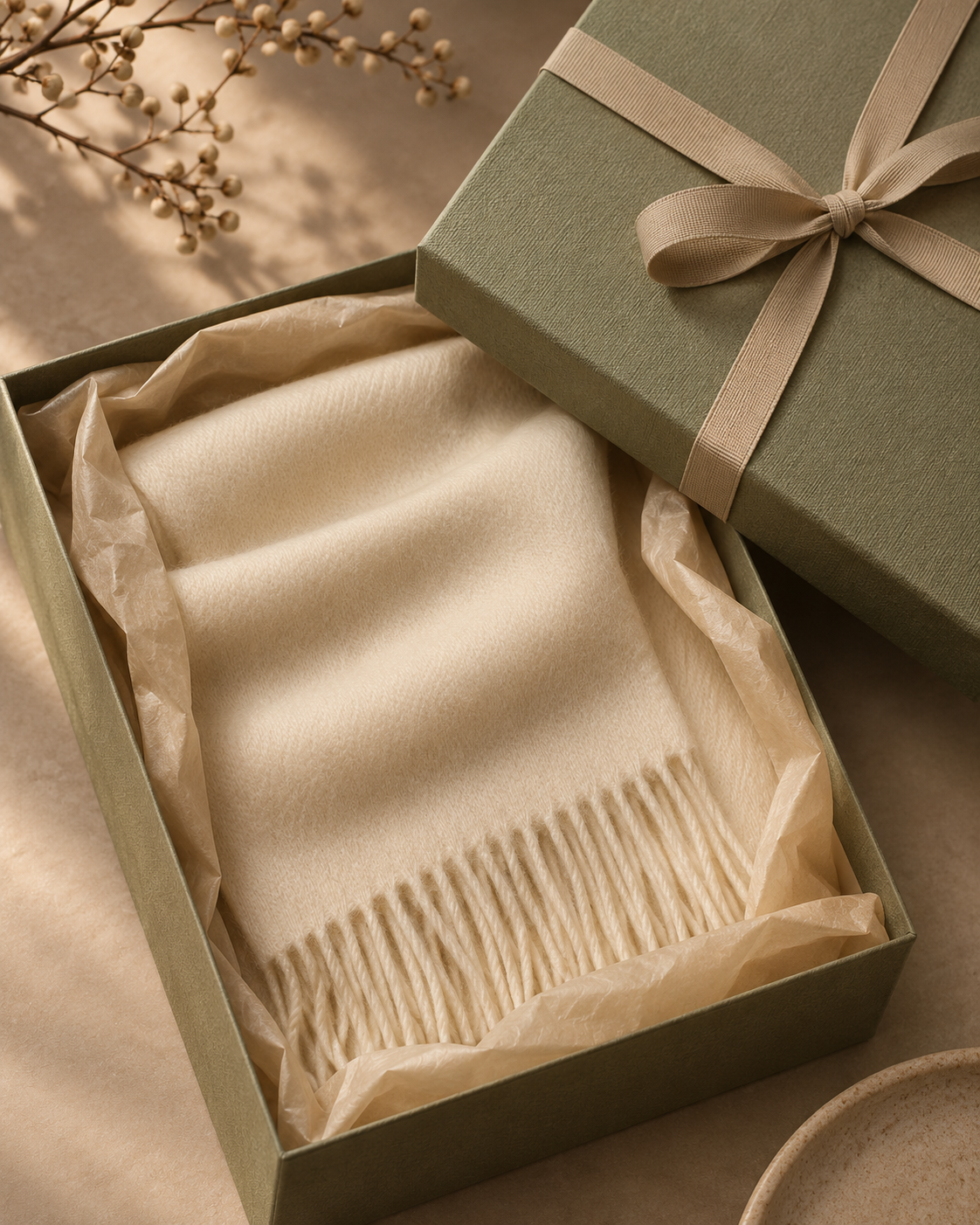
Yarn becomes a textile through a chosen construction, then panels or dimensions are shaped for the final use.

Knitwear depends on gauge, tension and finishing. Woven pieces depend on the interlacing of warp and weft. A throw, scarf and sweater need different decisions because they move, rest and carry weight differently.

What can you check?The product page should tell you whether a piece is knitted, woven or finished as a home textile, plus its dimensions where relevant.
Cashmere throw placed on a bench in a calm home settingOriginal KHULANORA home textile editorial image · care context
07 / KHULANORA · FIBRE TO GARMENT

Finishing and inspection

Shape, seams, edges and surface are checked before a care label and packing plan are attached.

Finishing can include washing, pressing, trimming, linking, sewing and a final visual inspection. The goal is a stable piece with clear instructions for the person who will wear or use it next.

What can you check?Before purchase, confirm the care label, return condition and delivery details for your selected destination.
Wrapped cashmere scarf prepared as a thoughtful giftOriginal KHULANORA gifting editorial image · home care and gifting context

08 / KHULANORA · FIBRE TO GARMENT

The route continues at home

Long life depends on the routine after delivery: gentle washing, flat drying, folded storage and timely repair.

A fibre story is incomplete if it stops at the checkout. Let a knit rest between wears, reduce friction, remove light pills carefully and follow the care label. A well-kept piece can remain part of a wardrobe or room for much longer.

What can you check?Open the care guide for the relevant material family and contact support when a label or product detail is unclear.
WhatsApp WhatsApp support
From fibre to garment | KHULANORA